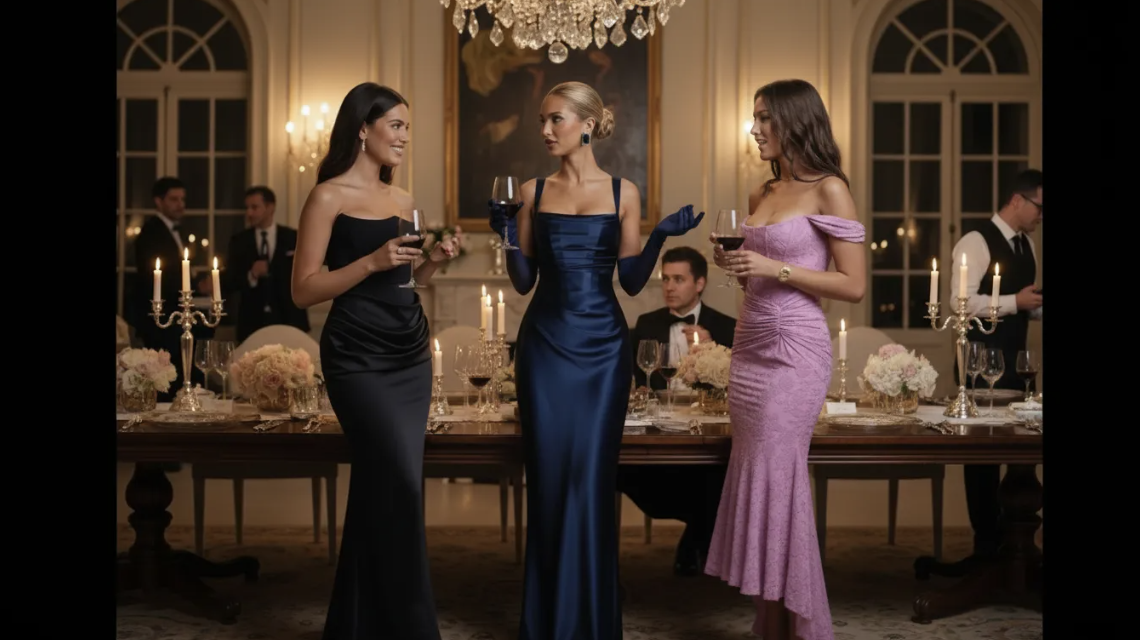
**The Influence of Evening Dresses in Eastern Europe and Their Place in Women's Hearts**
Evening dresses are more than mere garments in Eastern Europe—they are symbols of elegance, tradition, and self-expression. From intricate embroidery to timeless silhouettes, these dresses have left a lasting impact on the region’s culture, fashion industry, and the hearts of countless women. In this blog post, we explore the rich legacy and emotional significance of evening dresses in Eastern Europe, uncovering why they continue to occupy such an esteemed place in women’s lives.
Introduction: Evening Dresses as Icons in Eastern Europe
Across Eastern Europe, evening dresses are woven into the cultural fabric of society. They stand as representations of history, artistry, and personal milestones. Whether at lavish balls, elegant weddings, or glamorous galas, the presence of the evening gown is unmistakable. But what truly sets Eastern European evening dresses apart is their ability to evoke deep emotion, reflect social values, and communicate identity.
Historical Background: The Evolution of Evening Dresses in Eastern Europe
The story of evening dresses in Eastern Europe is a tapestry of tradition and transformation. In historic times, regional variations flourished—Slavic nations favored voluminous gowns adorned with elaborate embroidery and vibrant colors, while in Baltic countries, simplicity and understated luxury reigned. During the Soviet era, fashion echoed the prevailing political climate, featuring restrained styles and minimal embellishments. Yet, even during periods of austerity, women found ways to infuse creativity and individuality into their evening attire, stitching personal touches and meaningful patterns into their dresses.
With the arrival of the 1990s and greater openness to Western influences, Eastern European evening fashion blossomed. Designers began to merge local motifs with global trends, crafting garments that honored heritage while embracing contemporary glamour. Evening dresses became essential at pivotal events—state functions, society balls, and, most importantly, weddings, where ancestral designs often mingled with modern elegance.
Culture and Identity: Evening Dresses as Personal and National Symbols
Eastern European evening dresses are renowned for their cultural symbolism and craftsmanship. Traditional gowns often feature unique embroidery, lacework, and beadwork, each technique telling a story specific to its region. In Ukraine, floral motifs symbolize love and prosperity, while in Poland, geometric patterns evoke centuries-old folklore. In the Balkans, bold colors and intricate patterns can signify status, marital prospects, or community ties.
For many women, wearing an evening dress is an act of reclaiming heritage—a way to embody the spirit of their ancestors while expressing their individuality. The choice of silhouette, color, and embellishment often reflects national pride. Evening dresses serve not only as fashionable statements but as tangible links to identity and lineage.
Modern Trends: Eastern European Designers and Global Influence
Today, Eastern European fashion designers are making an indelible mark on the international scene, bringing unique perspectives and techniques to evening wear. Renowned creators like Elie Saab (of Lebanese-Romanian descent), Mary Katrantzou (Greek), and Mariusz Przybylski (Poland) have elevated the region’s evening dresses with innovative designs, blending contemporary elegance with traditional artistry.
The rise of social media platforms and fashion influencers has also propelled Eastern European evening gowns into the global spotlight. Instagram, TikTok, and Pinterest teem with inspiration, showcasing everything from embroidered velvet gowns inspired by folklore to avant-garde cocktail dresses worn on red carpets. Customization is trending, as women seek dresses tailored to their bodies and personalities, often incorporating family heirloom fabrics or motifs.
Contemporary evening dresses in Eastern Europe highlight versatility, comfort, and sustainability. Eco-friendly materials, upcycled vintage fabrics, and locally-sourced textiles are increasingly popular among the younger generation, who value both tradition and ethical fashion choices.
The Emotional Connection: Why Evening Dresses Matter to Women
Ask any woman from Eastern Europe about her most cherished memories, and chances are an evening dress features prominently. These garments mark life’s milestones: first school dances, coming-of-age celebrations, engagements, and weddings. The process of selecting, customizing, or even making an evening gown with family members is invested with emotion and meaning.
Evening dresses carry a transformative power. Slipping into a carefully chosen gown can boost confidence, foster a sense of belonging, and evoke treasured personal or familial memories. Mothers and daughters are often united in the experience, with heirloom evening dresses passed down or revamped for new generations. For many, these dresses are more than apparel—they are “memory keepers,” preserving stories for years to come.
Fashion narratives are not static; as culture shifts, the stories connected with evening dresses adapt. Women today may incorporate modern cuts or eco-conscious materials, but the underlying emotional bonds persist. The gown becomes a bridge between past and present, tradition and aspiration.
Evening Dresses in Contemporary Events and Celebrations
The role of evening dresses in modern Eastern European events is profound. Weddings remain the pinnacle occasion, where brides and guests alike combine old and new, wearing dresses designed to honor heritage and reflect modern style. Prom nights and graduation balls are rites of passage, making evening dresses central to the celebration.
Trends in event attire also highlight the revival of traditional craftsmanship. Many women now opt for dresses featuring locally-sourced embroidery, hand-painted details, or vintage lace, blending nostalgia with contemporary fashion sensibilities. The ability to choose, design, or repurpose an evening gown according to personal taste enables women to showcase their values and dreams.
Evening dress culture is also evolving with changing social norms. Inclusivity in design—offering evening gowns for all body types, ages, and cultural backgrounds—speaks to the modern woman's desire for representation, comfort, and self-expression.
Conclusion: The Enduring Power and Future of Eastern European Evening Dresses
Eastern European evening dresses are more than fashion—they are icons of history, symbols of cultural pride, and carriers of powerful emotions. Their place in women’s hearts remains unshaken, shaped by generations of tradition, creativity, and personal expression. As designers and women across the region embrace innovation, sustainability, and inclusivity, the evening dress continues to evolve while honoring its storied past.
Whether shimmering at a ball or cherished in a family wardrobe, the influence of evening dresses in Eastern Europe endures. For women everywhere, these gowns represent not just beauty, but a profound connection to identity, memory, and hope for the future. As the region looks forward, the evening dress remains a beloved canvas upon which history, sentiment, and aspiration are elegantly and eternally painted.